
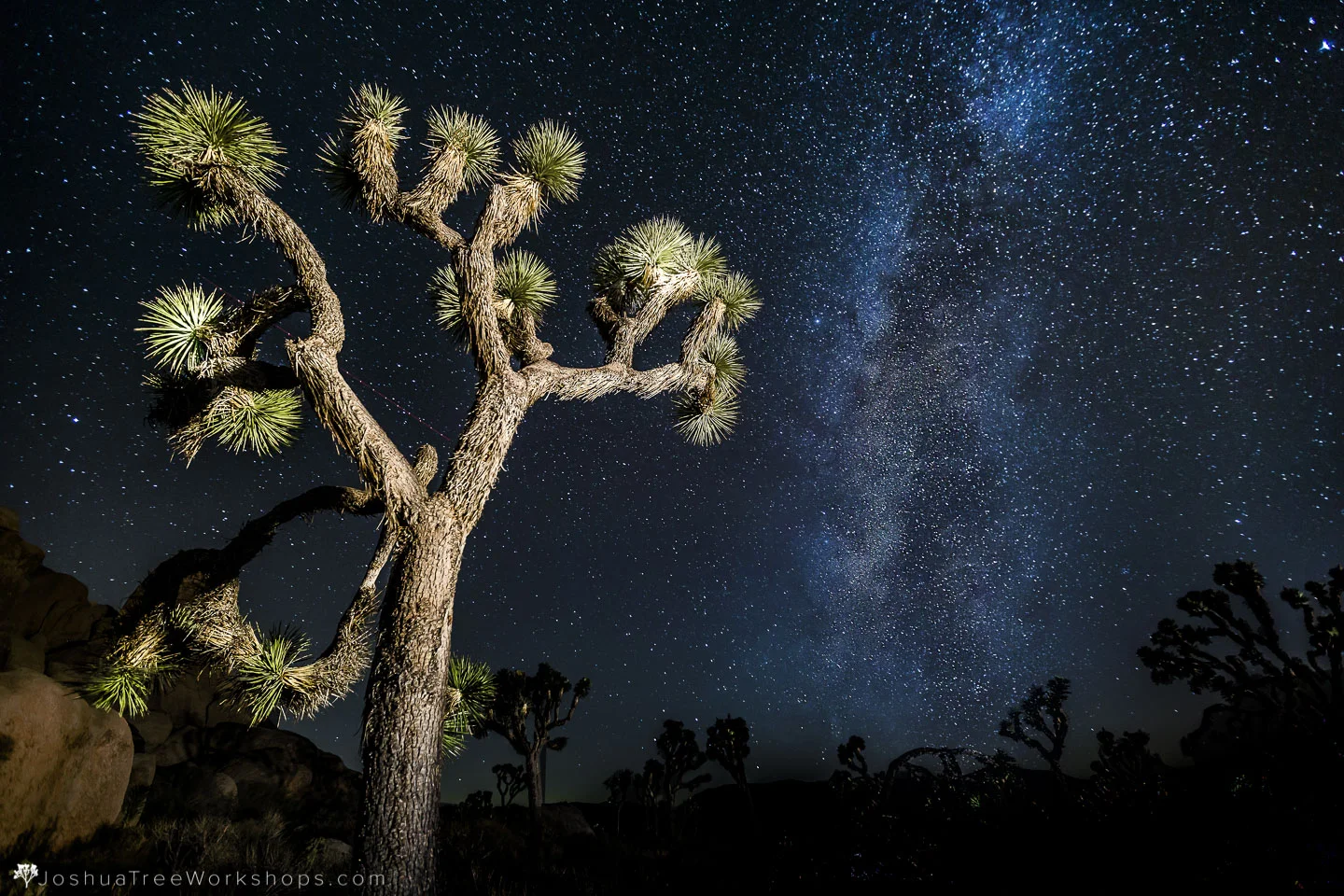

Astro- and Night-Photography
The opportunities for Astro photography have opened up lately with modern full-frame sensors, wide lenses and other technical advances.
Here is the equipment I use for astro-photography.
...and don't forget your WIDE ANGLE LENS
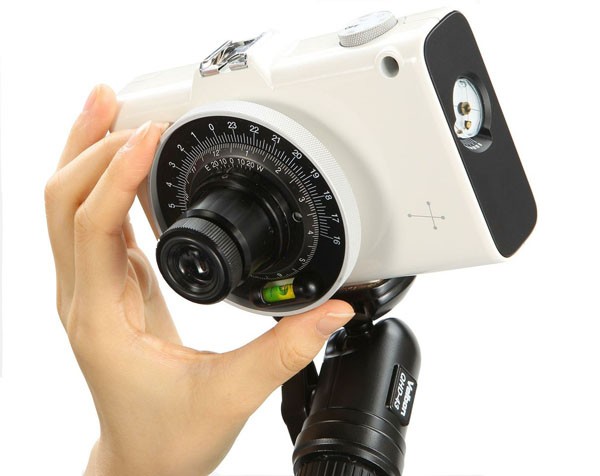

Photographing the Milky Way is a challenge - primarily because optional conditions call for a completely dark sky. You need to leave the shuttler open for long periods of time in order to capture the details of the Night Sky - but past a certain point (see the 500 Rule) - the stars start to leave unwanted streaks on the image. The Solution? Get a Star Tracker which compensates for the movement of the earth so your stars stay crisp - regardless of how long you leave the shutter open.


Aligning the Vixen star tracker (with the North Star) is critical to keeping the stars crisp (no streaks) in your image. When you purchase the Vixen, you need to also purchase the Vixen Polar Scope. It's really a requirement - but sold separately.
Night Lighting
Lighting opens up a whole new realm of creativity for you!


Lighting the foreground during night photography allows you to create some very compelling images. While you are tempted to use your headlamp or laser pointer - DON'T. You can't get professional results with those devices. Their color temp is UNKNOWN at best - and at worst - GREEN. These lights are pricey, but they are very well engineered and they are made of metal - so they will last a long time!


This is an inexpensive WHITE light that is great for night-lighting. Get a few and you can put them around the scene for some cool lighting effects. Wrap them in a white T-shirt to reduce their brightness!
